
Houseplants can transform your home, making it feel fresher, cozier, and more inviting. But if you’re a beginner, keeping them alive can feel tricky. Many indoor gardeners struggle with common mistakes that stunt plant growth or cause leaves to wilt.
The good news? With the right guidance & tools, you can discover the secrets to healthy, happy houseplants. In this post, we’ll share :-
- 5 Essential tips for indoor plant care
- Highlight tools that make plant care effortless
- FAQ’s and Answers
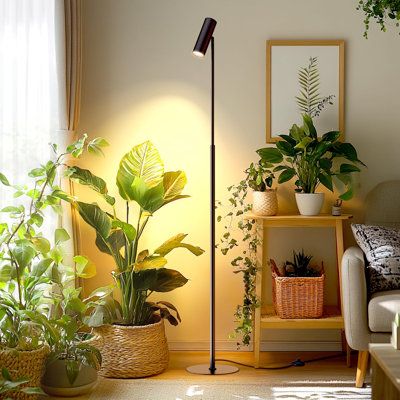
A Cozy Corner …your ultimate guide to creating a lush indoor jungle
Unlock Your Inner Green Thumb With These Effective Methods
1. Choose the Right Houseplants for Your Space
Not all plants thrive in every environment. Consider:
- Light: Some plants need bright sunlight, others do well in low-light areas.
- Space: Small apartments may benefit from compact plants or hanging planters.
- Maintenance: Start with low-maintenance plants like succulents or pothos if you’re new to gardening.
Beginner-friendly indoor plants, to mention a few …. (pothos, snake plant, succulents).
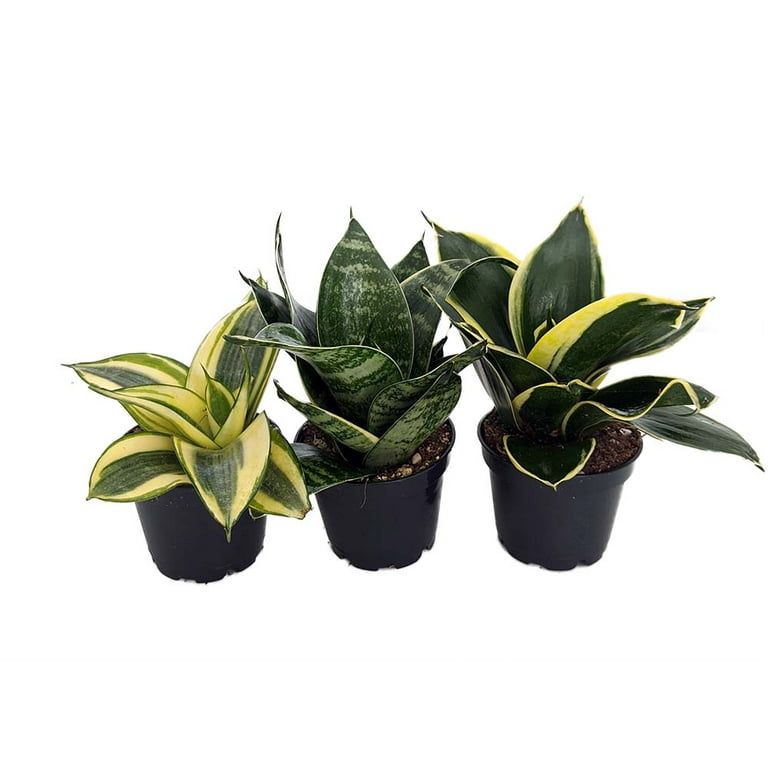
Snake plants are low-maintenance succulents that need bright, indirect light and well-draining soil. Water them sparingly, only when the soil is completely dry, which is typically every 2-6 weeks depending on the season, to prevent root rot. Fertilize with a half-strength general houseplant fertilizer a few times in the spring and summer
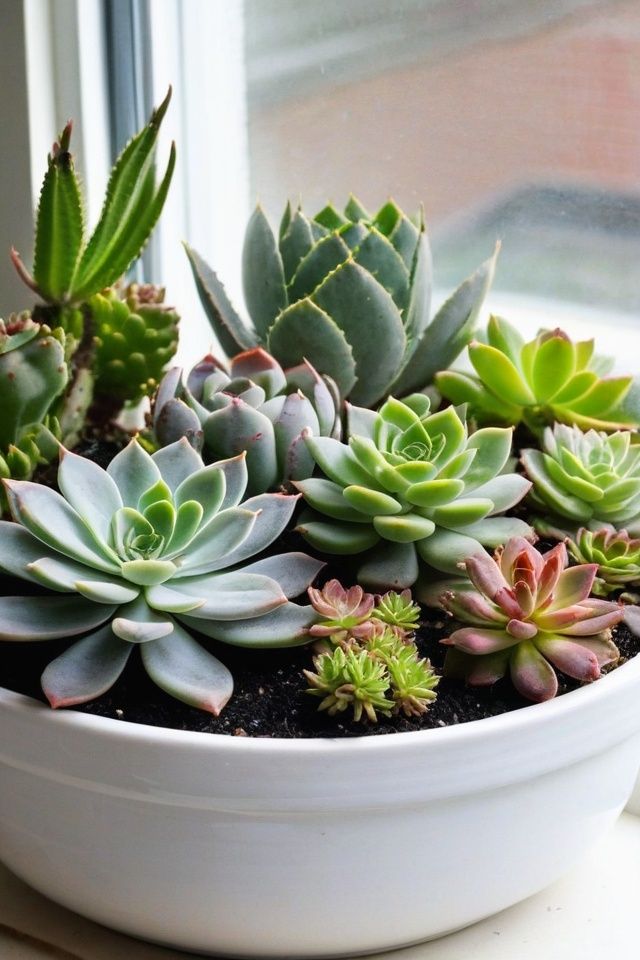
Succulents need bright, indirect light for at least 6 hours daily and should be watered using the “soak and dry” method: water thoroughly until it drains, then wait for the soil to dry out completely before watering again. Use a well-draining soil mix, ideally in a pot with drainage holes, and avoid overwatering, especially during winter when they require much less water.
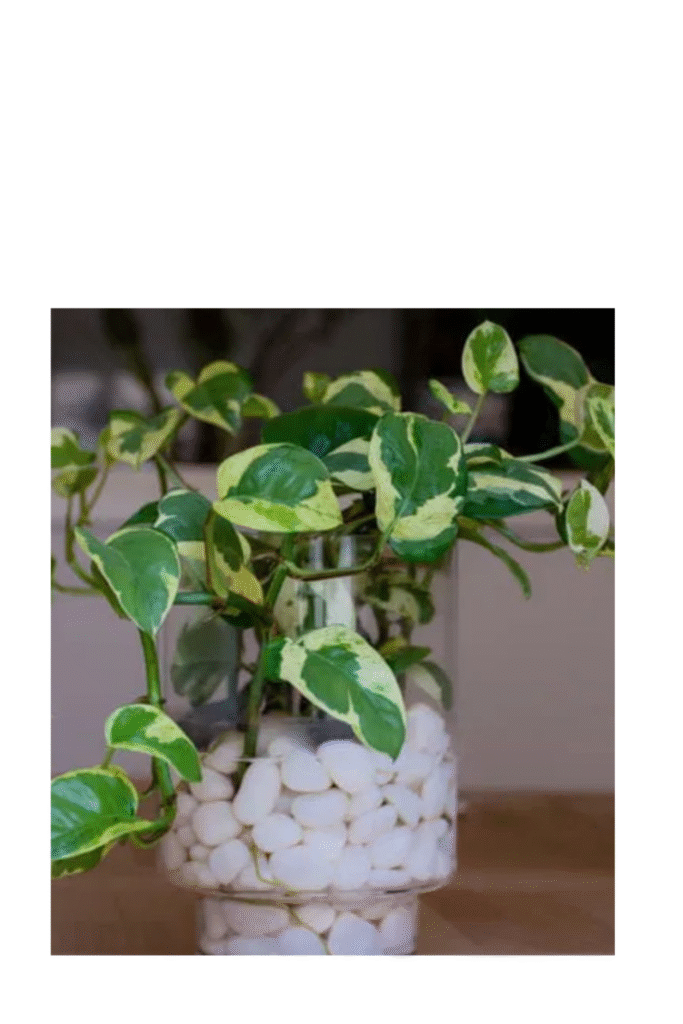
Pothos are easy-to-care-for plants that need bright, indirect light and should be watered when the top 1-2 inches of soil are dry. To keep them healthy, use a well-draining potting mix, fertilize every 2-4 weeks during the growing season, and maintain average household humidity, or mist if the air is dry
2. Water Properly (and Use Helpful Tools!)
Watering is the #1 challenge for beginners. Tips:
- Stick your finger 1-2 inches into the soil – water only if it’s dry.
- Use a watering schedule to stay consistent OR use ….
- Tools that make watering easy :
- Soil Moisture Meter: Quickly tells you if your plant needs water. Never over or under water your plants again! Check out this [Soil Moisture Meter].
- Self-Watering Globes: Perfect for busy plant owners : Set it and forget it! These Self-Watering Sticks keep your indoor plants perfectly hydrated.”
- Indoor Self Watering Planters with Drainage Holes and Saucers.
- Bonsai Toolkit – Complete Mini Garden Tool Kit
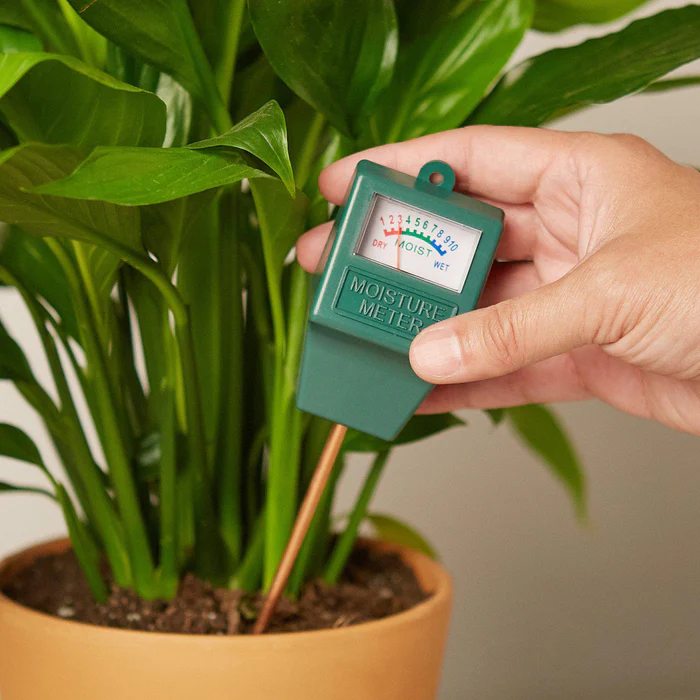
4-in-1 Soil Moisture Meter, Digital Plant Temperature/Soil Moisture Test & PH Meter/Sunlight Intensity, Backlight LCD Display for Gardening, Indoor and Outdoor Plants
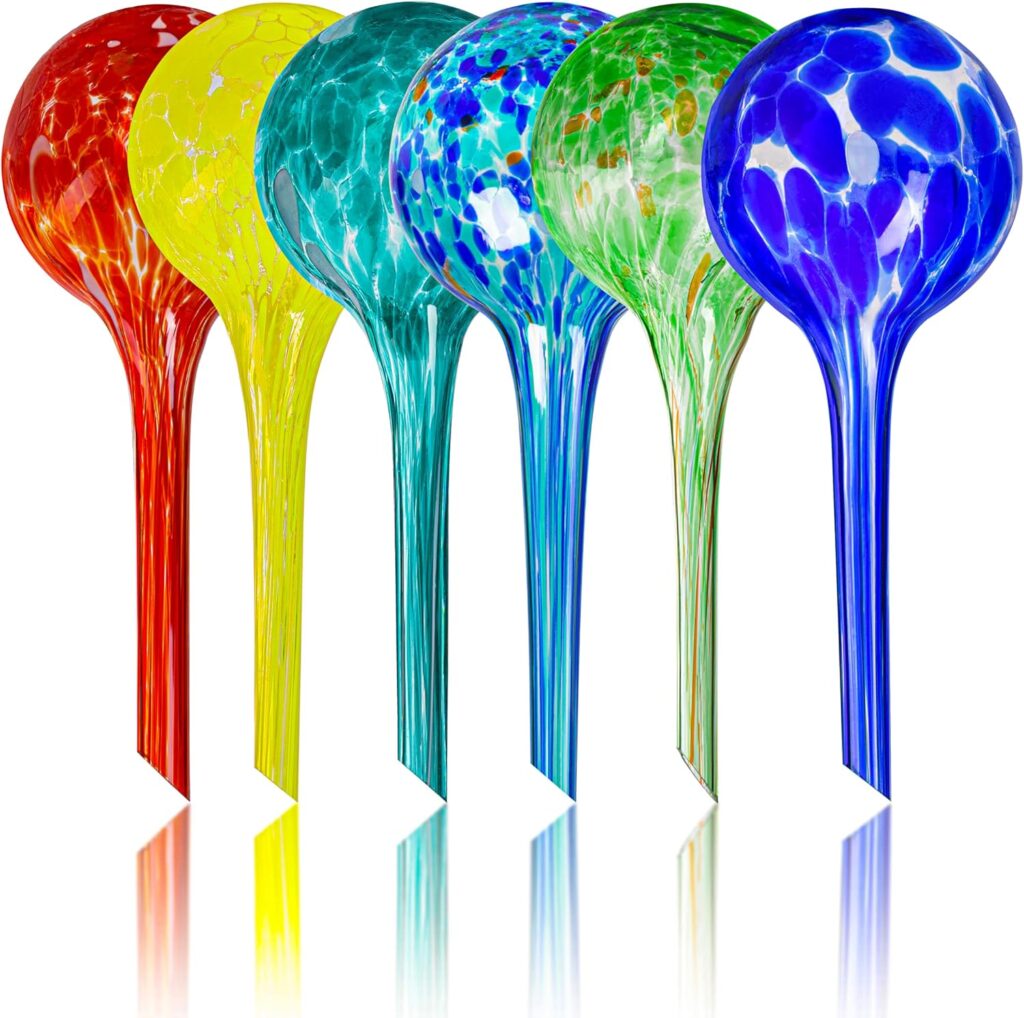
Plant Watering Globes Set of 6 – Large Glass Self-Watering Bulbs (up to 5 Days of Watering) for Indoor & Outdoor Plants – Multicolor
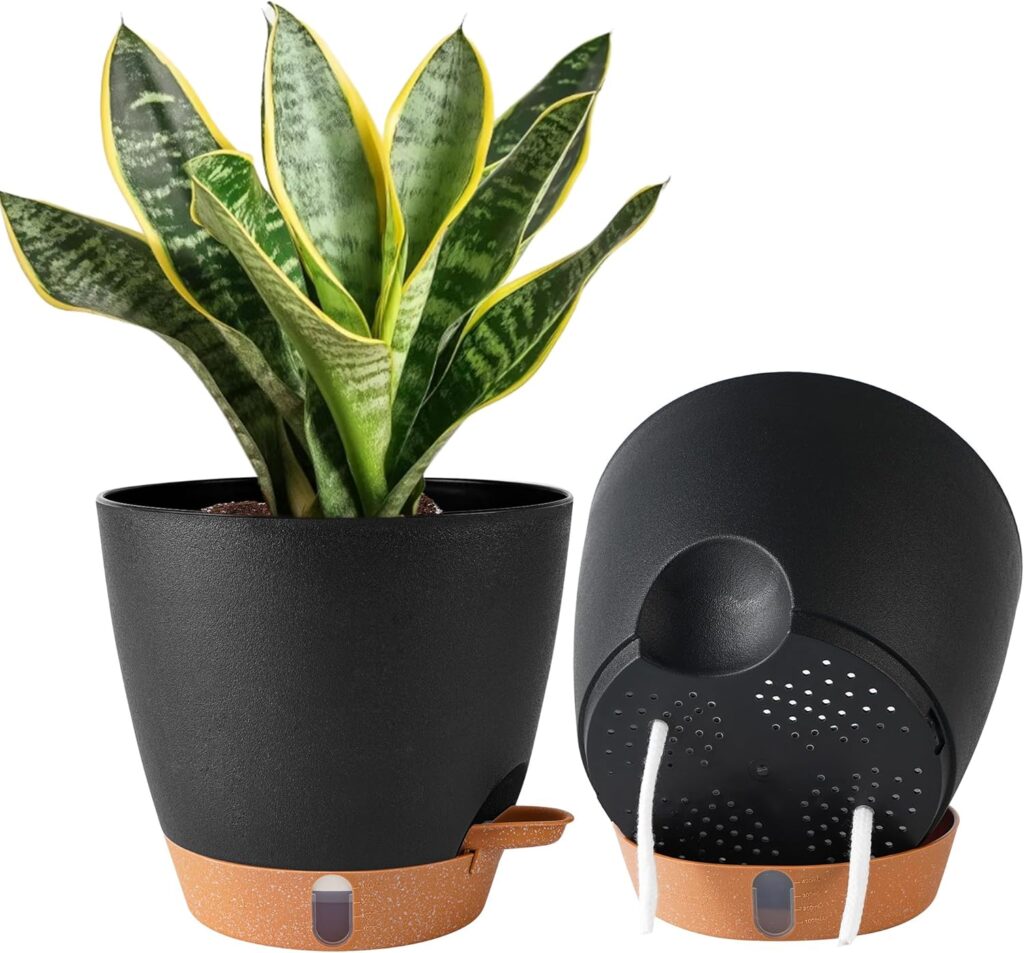
Fielda 2 Pack 8 Inch Pots for Plants Indoor, Plastic Self Watering Planters with Drainage Holes, Water Level Indicator & Deep Reservoir, Decorative
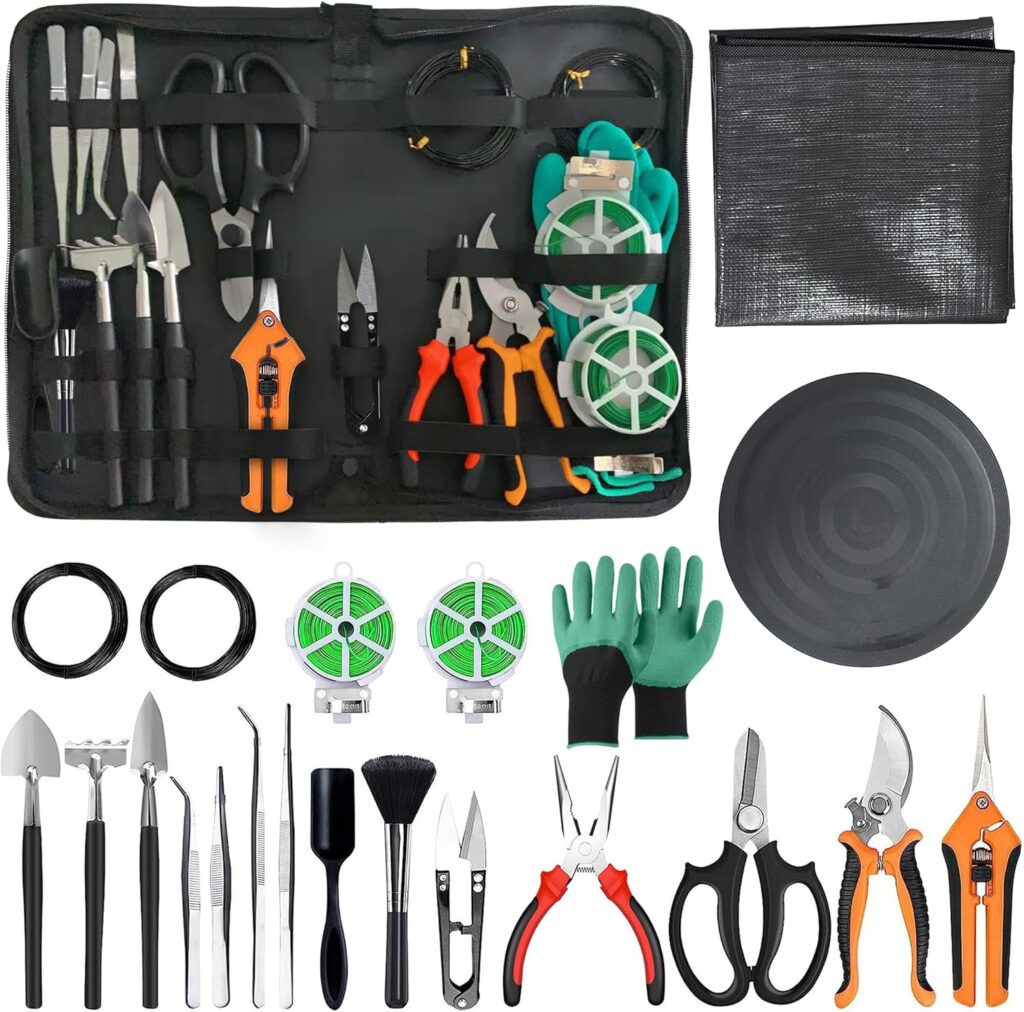
Bonsai Toolkit – Mini Garden Tools, Bonsai Wire Kit, Repotting Mat for Indoor Plants, Bonsai Tools, Succulent Tools, Bonsai Tree Kit Tools for Beginners, Bonsai Turntable, Transplanting Tool
3. Use the Right Soil and Fertilizer/Plant Food
For most indoor plants, the right approach involves using a sterile, well-draining potting mix (never garden soil) and a balanced, water-soluble fertilizer with micronutrients. The specific type and frequency of plant food depend on the plant species and its growth stage.
- Choose soil that matches your houseplant type (succulent soil for succulents, potting mix for leafy plants).
- Fertilize once a month for most indoor houseplants – overfertilizing can harm your plants.
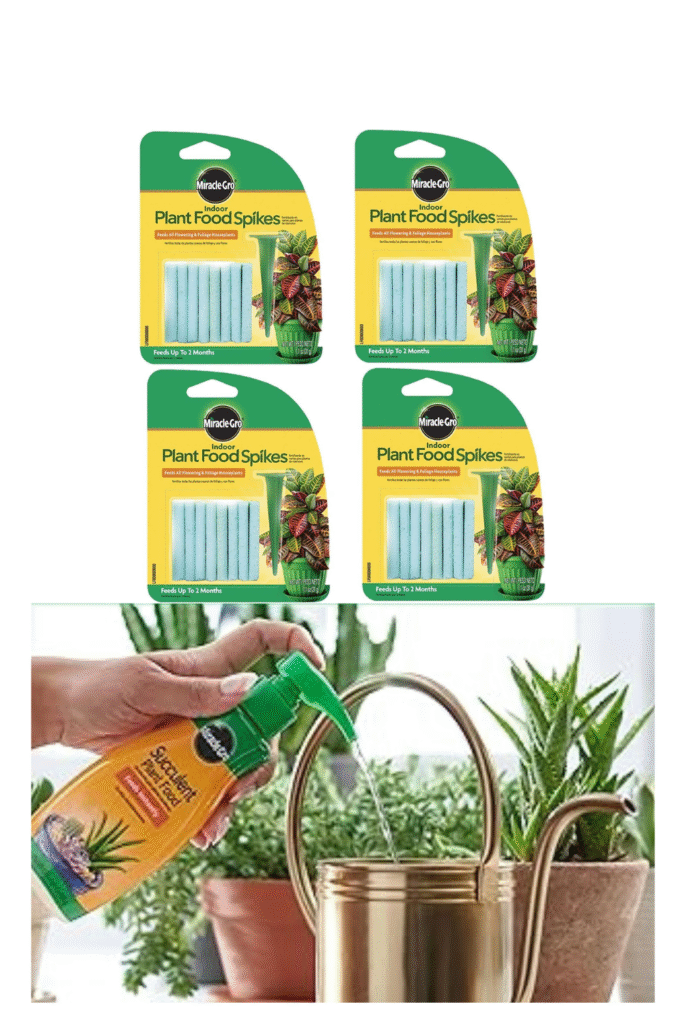
Visit Amazon for your indoor/outdoor plant needs
4. Protect Your Houseplants from Pests and Diseases
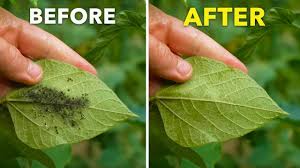
- Inspect leaves regularly for bugs or discoloration.
- Use natural treatments like neem oil or an insect control insecticide for pest control.
- Keep plants clean and avoid stagnant water in trays.
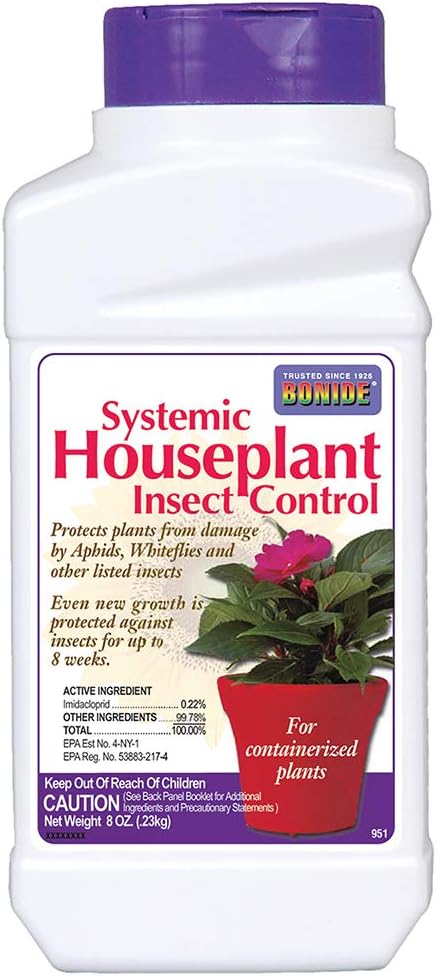
Bonide Systemic Houseplant Insect Control, 8 oz Ready-to-Use Granules for Indoors and Outdoors, Protects Plants from Insects
5. Learn from experts and become an expert
The best option for a beginner to gain indoor gardening knowledge and expertise is a hands-on approach with low-maintenance plants, supplemented by research through online resources, local nurseries, and gardening communities. This practical learning path builds confidence and understanding without being overwhelming.
- Plant selection
- Soil & watering techniques
- Pest control and plant health
- Tools and techniques for thriving indoor plants
Bonus Tool Tip:
- Indoor Houseplant Mister: Maintains humidity for tropical plants. Keep your indoor plants lush and healthy with this [Indoor Plant Mister]. Perfect for tropical varieties!
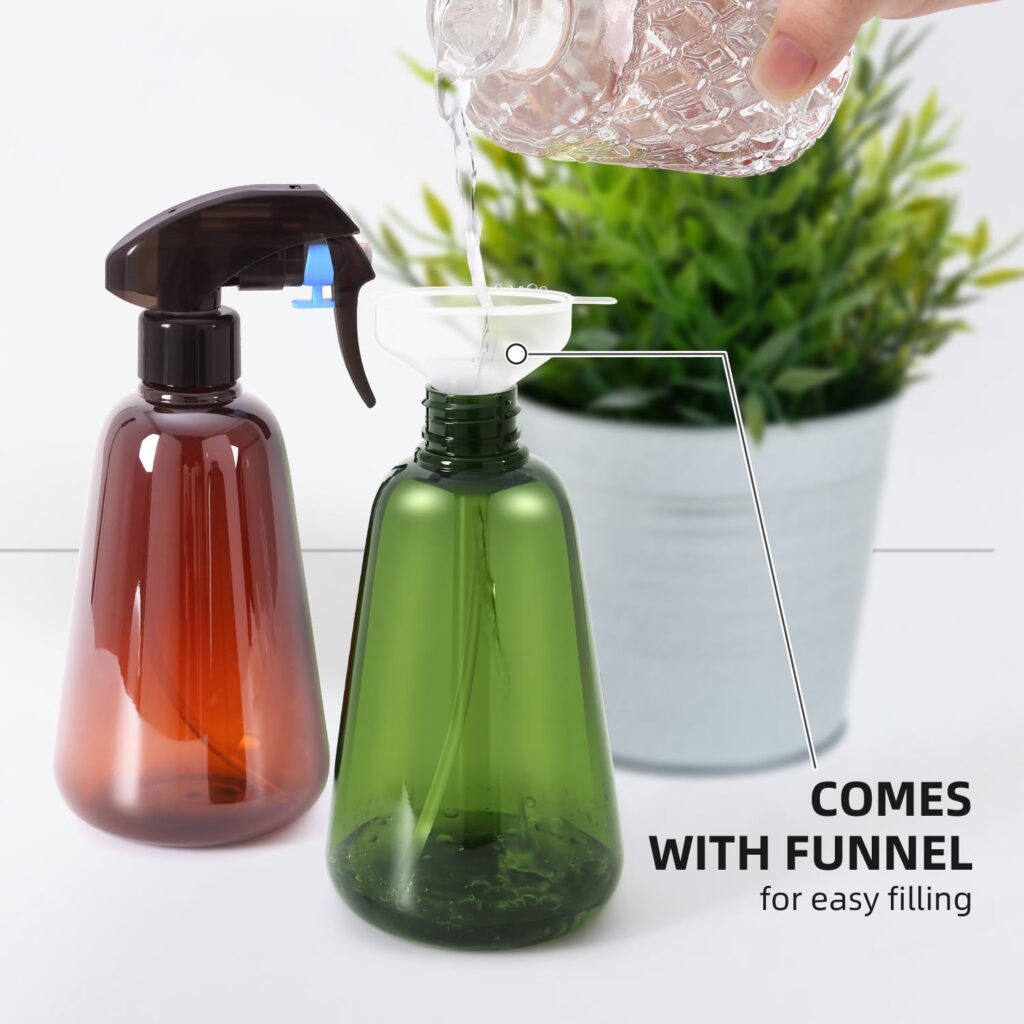
Spray Bottle for Plants 2 Pack, 16oz – Ultra Fine Mist, Plant Mister Empty Spray Bottles Indoor, Leak Proof Misting Water Sprayer Bottle for Gardening
Conclusion
With the right knowledge, tools, and guidance, indoor gardening can be relaxing, fun, and rewarding. By following these tips, using essential tools, your houseplants will grow healthy and beautiful in no time.
Don’t wait – start your indoor garden journey today! Say goodbye to droopy leaves and hello to gorgeous greenery
5 Essential Houseplants FAQs for Beginners
1. How do I know when my houseplant needs water, and how do I avoid overwatering?
- Answer: Do not water on a set schedule. One way to check is to use your finger and poke into the soil about one to two inches deep (to your first knuckle). If the soil feels dry, it’s time to water. The safer options are using a soil moisture meter; plant watering globes/sticks and self-watering planters. Overwatering is the #1 killer of houseplants, as it can cause fatal root rot.
2. My plant’s leaves are turning yellow or brown. What does this mean?
- Answer: This is a common sign of distress, and the cause is often related to water or light.
- Yellowing leaves are a very common sign of overwatering.
- Crispy, brown leaf tips/edges often indicate underwatering or low humidity.
- If older, lower leaves are turning yellow and dropping, it may just be the plant naturally shedding old growth. However, if the yellowing is widespread or on new growth, re-check your watering and light conditions.
3. How much light does my houseplant need, and what do terms like “bright, indirect light” mean?
- Answer: Light is essential for photosynthesis. The amount of light needed depends on the plant species, so always research your specific plant!
- Bright, Indirect Light: This is the ideal light for most houseplants. It means the plant receives light from a bright window (e.g., East or West-facing), but the sun’s rays do not directly hit the leaves for a prolonged period.
- Low Light: These plants can tolerate darker areas, such as a North-facing window or a spot several feet away from a window (e.g., Snake Plant, ZZ Plant).
- Direct Light: The sun’s rays directly hit the leaves for several hours a day (e.g., South-facing window). This is generally only suitable for sun-lovers like cacti and succulents.
4. Should I fertilize my new houseplant? If so, how often?
- Answer: Yes, but only when it is actively growing!
- Only fertilize during the growing season, which is typically spring and summer. Houseplants are usually dormant in the fall and winter, and feeding them then can cause chemical burn.
- Start with a diluted, balanced houseplant fertilizer (e.g., half the recommended strength) once every 2-4 weeks during the growing season.
- Plants bought from a nursery often have slow-release fertilizer already in the soil, so you may not need to fertilize for the first 6 months.
5. Why is having a drainage hole so important for my pot?
- Answer: A drainage hole is critical because it allows excess water to escape the pot. Without it, the water collects at the bottom, creating a perpetually soggy environment. This starves the roots of oxygen, leading to root rot, which is a fungal infection that causes the roots to decompose and will kill the plant.
Affiliate Disclosure
As an Associate, I earn from qualifying purchases. This means I may earn a small commission if you click through and make a purchase – at no extra cost to you